
Don’t let fraudsters play doctor with your life
In short: a product that promises to cure serious diseases quickly, without effort and without a prescription, or a medicine bought from an unknown website or from social media, is most likely a scam and can be dangerous. There are thousands of products on the market that can put your health at risk or are simply useless devices sold at a high price, so always dig as deep as you can. Buy medicines only from licensed pharmacies, ask your doctor before any new treatment, and report suspicious products to your national medicines authority.
Table of Contents
Introduction: where "snake oil" comes from
The term “snake oil” is used for deceptive health products, but few people know it started with a real practice. In the 19th century, Chinese workers building the transcontinental railroad in the United States brought a traditional remedy with them: fat extracted from Chinese water snakes, used to soothe muscle and joint pain.
Seeing a chance to profit, American merchants started selling their own versions of “snake oil”. One of the best known was Clark Stanley, the self-proclaimed “Rattlesnake King”. In 1917, US authorities tested his product: it contained mineral oil, beef fat, capsaicin from chili peppers and turpentine, but not a drop of snake oil. Stanley was fined 20 dollars for falsely presenting his product as a cure for every pain.
The legacy of the “snake oil salesmen” has not gone away. We still find it in 2026, in medical scams that promise miraculous cures and quick fixes without any scientific evidence. Before you trust such a product, ask yourself: is there solid scientific evidence behind what it promises?

The most common medical scams

Medical scams are among the most dangerous, because they take not only your money but can also harm your health. The most common ones:
- Fake or counterfeit medicines. They may have the wrong dose, harmful ingredients or no active substance at all. They are usually sold online or by unauthorized sellers, with the promise of low prices or hard-to-find medicines. They can lead to treatment that does nothing, serious side effects and even death.
- Miracle treatments and dubious supplements. They promise to cure serious diseases such as cancer or diabetes and are promoted with fake testimonials and misleading ads. They have no scientific basis and can delay treatments that actually work.
- Non-existent or overpriced medical services. You are offered a “free” consultation or test with a “state of the art” device that has no scientific value and “discovers” several diseases. Then you are pressured to buy an expensive treatment plan on the spot, presented as the only solution.
- Fake health insurance. Non-existent or overpriced insurance, sold by phone or online, that does not cover you when you actually need it.
How to recognize a medical scam

Warning signs in ads
When something sounds too good to be true, it usually is. Watch out for products that promise miraculous results or claim to cure many unrelated diseases, for phrases like “scientifically proven” without real studies behind them, and for “today only” offers designed to rush you.
Check the product or service
Before you buy, look up the product. Check whether it is authorized by your national medicines authority (for example the FDA in the United States, or ANMDMR in Romania) or by the European Medicines Agency (EMA). Read reviews, but choose your sources: well known medical websites and consumer protection organizations, not just the reviews on the seller’s own site.
Be extra careful with supplements
Supplements often come with big promises: better immunity, better digestion, more energy. The signs that should stop you:
- No scientific evidence. If the benefits are not backed by serious clinical studies, the effect remains a promise.
- High-pressure selling. Supplements sold through multi-level marketing (MLM) often come with exaggerated claims and pressure to buy. Read more in MLM truth claims vs research.
- Pompous certificates and awards. They may come from unknown organizations and say nothing about whether the product works.
- Weaker regulation. Supplements do not go through the same checks as medicines, so their claims are not always controlled by the authorities.
- Very different experiences. Some say it worked, others say it did not. The difference may be the placebo effect or the lack of an active substance.
Ask your doctor
When in doubt, ask your doctor. A short conversation before any new treatment or product can spare you a lot of trouble: your doctor knows your history and can point you to proven options.
Fraudulent products and services: real cases
Medical scams exploit vulnerable people by giving them false hope. Here are some real cases that came to the attention of the authorities.
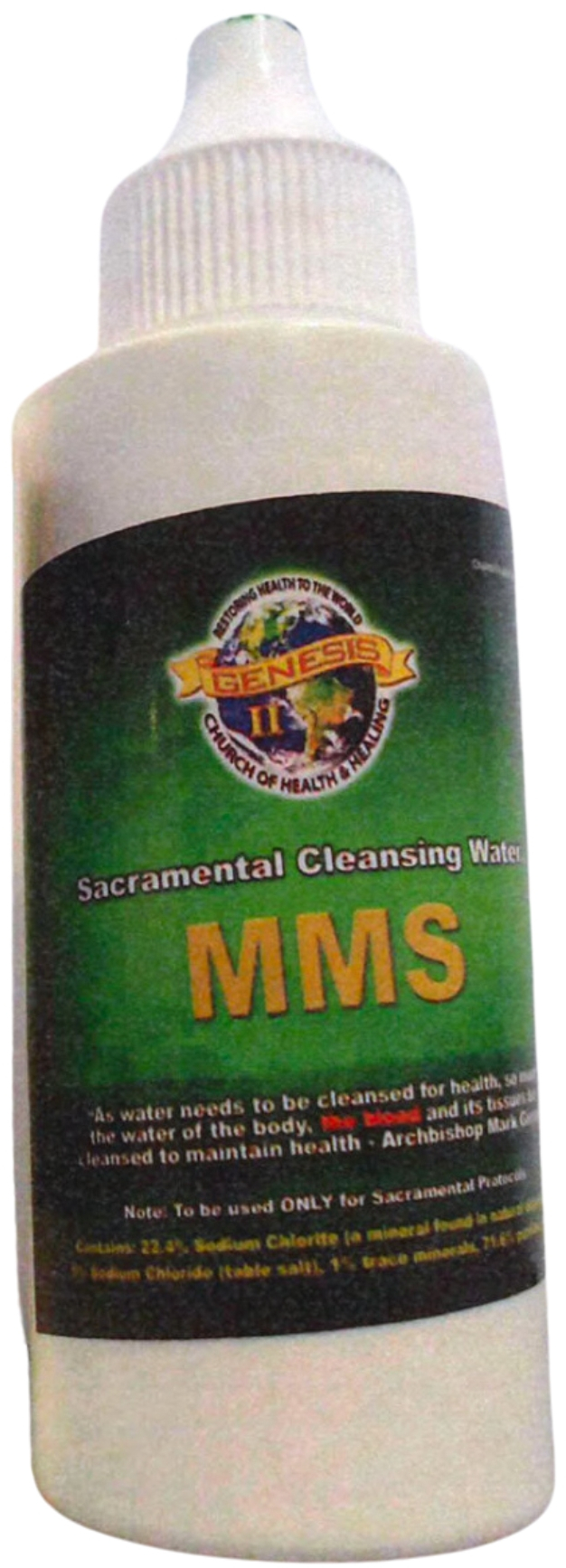
Miracle Mineral Solution (MMS)
MMS was aggressively promoted as a “miracle cure” for many diseases, including COVID-19, by the so-called “Genesis II Church of Health and Healing”. Once swallowed, the solution becomes chlorine dioxide, an industrial bleach. The tactics used:
- False claims of effectiveness: presented as “safe” and “effective”, without any scientific basis or approval.
- Misleading testimonials: stories of miraculous recoveries, invented or exaggerated.
- Fear and urgency: the pandemic was used to make people buy quickly.
- Pseudoscientific language: explanations of how it supposedly works “at a molecular level”, without evidence.
- Religious and alternative medicine channels: to win the trust of people who already distrusted mainstream medicine.
The targets were mainly people frightened by COVID-19, the chronically ill, people drawn to alternative medicine and communities with little access to medical information. In 2023, Mark Grenon and three of his sons were convicted in the United States: two of the sons were sentenced to about 12 and a half years in prison, the other two to 5 years. The family had made more than a million dollars from selling MMS.
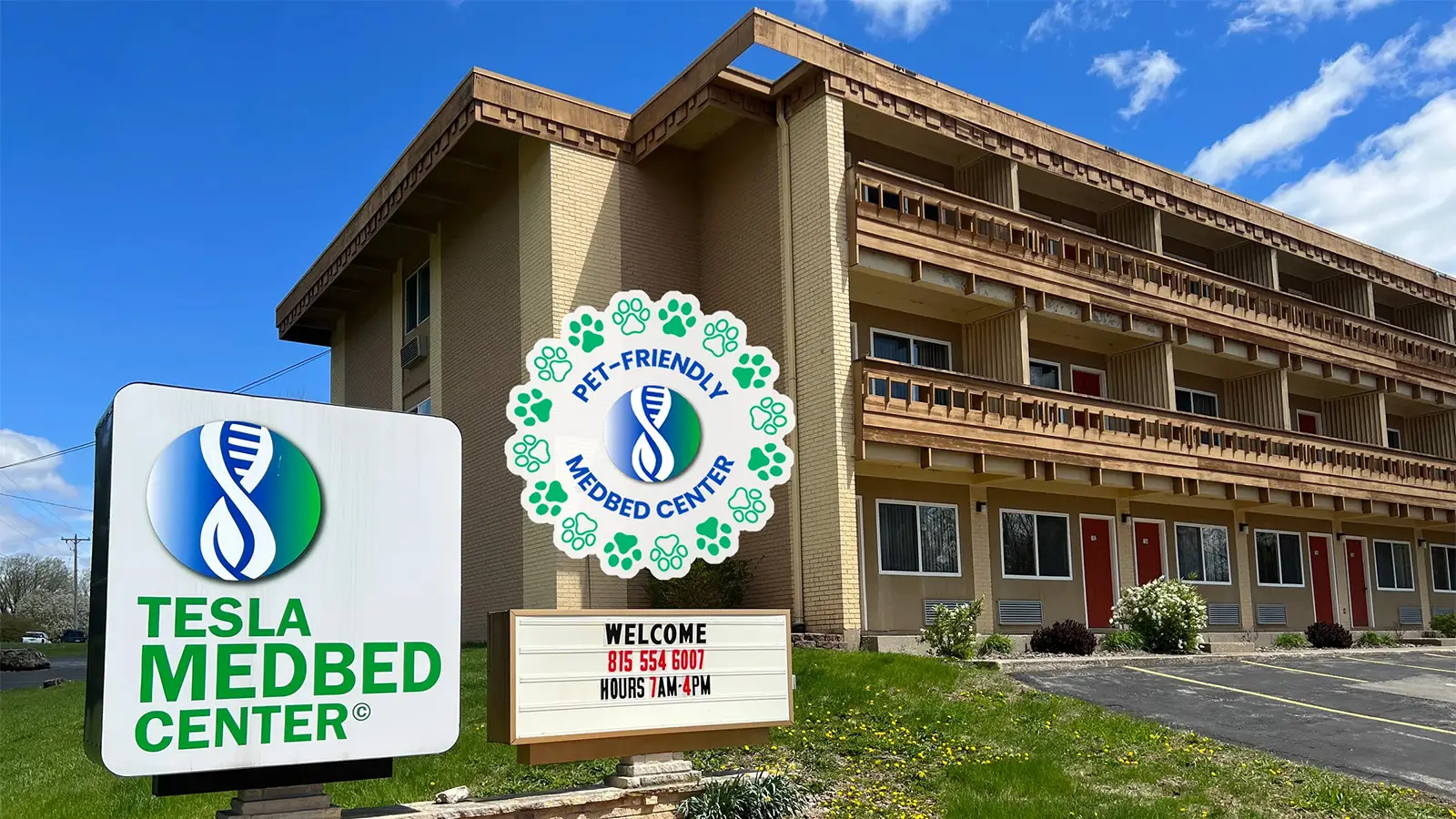
Tesla BioHealing
Tesla BioHealing sells devices that supposedly use “life force energy” to heal, under names such as “Tesla BioHealing Generators” or “MedBed”. The tactics:
- Big promises: relief from chronic pain, inflammation and even degenerative diseases, without scientific evidence.
- Personal testimonials instead of clinical studies.
- Pseudoscientific language: “life energy”, “biophotons”.
- An emphasis on “natural” and “non-invasive”, as an alternative to conventional treatment.
- Emotion: “before and after” stories aimed at people desperate for relief.
The targets are people with chronic pain, older people, patients with degenerative conditions (arthritis, Parkinson’s, multiple sclerosis) and those who prefer alternative medicine. In August 2023, the US Food and Drug Administration (FDA) sent the company a warning letter: the devices were being promoted for serious diseases such as cancer, stroke or Alzheimer’s without the required approval.
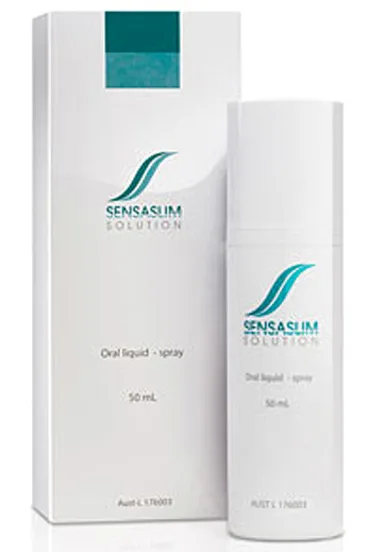
The SensaSlim weight loss spray
SensaSlim was an oral spray promoted in Australia as a revolutionary weight loss solution that would supposedly reduce appetite without diet or exercise. The tactics:
- Exaggerated promises of fast, effortless weight loss.
- Fake endorsements from celebrities and experts, plus invented testimonials.
- Pseudoscientific language: “clinical trials” and a “patented formula” that did not exist or were misrepresented.
- Limited-time offers, to make you buy on the spot.
- Targeted online ads for people looking for quick weight loss.
In 2014, an Australian federal court found that SensaSlim had misled consumers and fined the company 3.55 million Australian dollars. Peter Foster, the man behind it, was fined 660,000 dollars and banned for life from the weight loss industry.
A case from Romania: Aur Derm cream
On 9 January 2019, Romania’s National Agency for Medicines (ANMDM) warned patients and the public not to buy “Aur Derm cream with mimosa, myrrh and propolis”. The product was registered as a cosmetic with natural ingredients, but the Austrian authorities found that it actually contained active medicinal substances with a therapeutic effect. ANMDM ordered the product to be withdrawn from the market and destroyed because of the health risk.
The case shows a common trap: a product presented as “natural” or “cosmetic” can contain undeclared medicinal substances, which you use without knowing and without medical supervision. A “natural” product that works spectacularly fast deserves an extra question, not more trust.
⚠️ Warning: MMS, Tesla BioHealing, SensaSlim and Aur Derm are just a few cases that came to the attention of the authorities. In online shops, on social media and at product “presentations”, there are thousands of other products that can put your health at risk or are simply useless devices sold at a high price. The fact that a product is sold freely, has a website, reviews, certificates or “studies” does not mean anyone has checked it.
Before you buy any health product, dig as deep as you can: who makes it, what it contains, what authorization it has, and what doctors and the authorities say about it, not just the seller. If you cannot find clear answers, do not buy it.
What's new in 2026
Fake cure ads paid for by a Russian network (September 2026)
On 9 September 2026, an investigation by Snoop showed how the Russian ad network AdNow displays ads for “miracle” diabetes treatments, potency products and fake investments on 79 Romanian publications. Some use AI-generated videos showing, without his consent, a well known Romanian surgeon, Irinel Popescu. In a single campaign, the ads were shown 445,836 times, and 843 people left their details and paid, bringing the scammers almost 30,000 dollars.
The same ads hide invisible tracking codes (pixels) that collect data about readers, from their device to their health interests, even if they reject cookies, and the data ends up on servers in Russia. According to the investigation, the money paid to websites goes mainly to those with conspiracy and extremist content.
The practical lesson: an ad for a “cure” on a news website does not mean the website vouches for the product. And a well known doctor “recommending” a treatment in an ad may be a deepfake.
Half of the medicines sold online are fake (March 2026)
Romania’s National Agency for Medicines warned that about half of the medicines sold online are counterfeit and launched the campaign “Counterfeit medicines can kill!”, with the website medicamentesigure.ro. The agency’s president, Răzvan Prisada, said new websites appear faster than they can be shut down.
Fake “Mounjaro” capsules sold in Romania (May 2026)
Eli Lilly and the Romanian medicines agency announced a fake product sold as Mounjaro, in capsules, for 250 lei, on a website imitating a clinic. The real medicine is injected, and its active substance cannot be taken by mouth, so the product cannot be what it claims to be.
Counterfeit Ozempic containing insulin (July 2026)
In the Netherlands, the authorities warned that fake Ozempic pens bought online contained insulin instead of semaglutide. Two people were hospitalized in serious condition. For someone without diabetes, insulin can cause severe hypoglycemia, coma or death.
INTERPOL Operation Pangea XVIII (March 2026)
In 90 countries, including Romania, 6.42 million doses of medicines were seized, 269 people were arrested and about 5,700 websites, pages and channels were shut down. The products included fake weight loss medicines, antibiotics, painkillers and steroids.
The practical lesson: weight loss medicines bought on social media or from unknown websites are now one of the most dangerous medical scams.
Risks and consequences
Imagine a story that, unfortunately, is becoming more common. Sarah is almost 60 and has lived with chronic pain for years. She has tried everything, from physiotherapy to medication, without lasting relief. One day she sees an online ad for a “revolutionary” device that promises to remove the pain without medicine and without surgery. Desperate, she buys it.
At first she is full of hope. After a few weeks, the pain is just as bad, if not worse. She has spent hundreds, maybe thousands. And because she put all her trust in this “miracle cure”, she postponed treatments that could actually have helped her. Now she has not only lost money, her health has also gotten worse.
Sarah’s story shows the three losses of a medical scam:
- Money. Scams can drain your savings, leaving you with a useless product or an empty promise.
- Trust. The disappointment and the feeling of having been fooled can make you distrust even real treatments.
- Health. You postpone effective treatment, the disease can get worse, and unapproved or counterfeit products can harm you directly.
Next time a product seems like the answer to all your problems, think of Sarah. Be careful, do your research and ask your doctor before trying something new.

Tips to protect yourself from medical scams
- Trust your gut. If something feels off about a product or an offer, stop and think before you decide.
- Check the source. Look up the company’s history, website and reputation. If you find very little information or only suspiciously good reviews, be careful.
- Watch the words. “Miracle cure” or “guaranteed results” are bait, not evidence.
- Ask for evidence. Ask for the scientific studies behind the promises. If the seller does not have them, or they come from dubious sources, do not buy.
- Ask someone you trust. Your doctor or pharmacist can help you avoid products that do more harm than good.
- Do not be impressed by certificates and awards. Only approvals from recognized authorities and medical organizations count.
- Do not rush because of limited offers. Take time to do your research.
- Read the terms. Some scams hide subscriptions or recurring payments in the small print.
- Pay safely. Use payment methods that let you dispute the transaction, not transfers that are hard to trace.
- Tell others. If you come across a scam, tell your family and friends or leave a review, to protect others.
Fake online pharmacies work like the cloned websites described in our phishing guide, and miracle products are often sold through the same recruitment model described in MLM truth claims vs research.
What to do if you were scammed or used a fake medicine
- Stop using the product immediately. Do not keep taking a suspicious medicine or supplement.
- See a doctor. Tell them what you used, so they can assess the effects on your health.
- Report the product. To your national medicines authority (in the US, the FDA; in Romania, ANMDMR) for medicines, supplements and suspicious pharmacies; to your consumer protection authority for misleading ads; to your national cybersecurity authority for fake websites (in Romania, DNSC at 1911 or pnrisc.dnsc.ro); and to the police if you lost money.
- Keep the evidence. Receipts, conversations with the seller, packaging and any side effects. They help with your complaint and with getting your money back.
- Check your bank account. Watch your transactions and ask your bank to dispute unauthorized payments.
Conclusion
Looking for effective treatment is natural, and medical scams exploit exactly that. Stay informed, be skeptical of promises that sound too good, and always ask a doctor before any decision about your health.
Frequently asked questions
How do I recognize a legal online pharmacy?
Buy only from licensed pharmacies. Legal online pharmacies in the European Union display the common EU logo; clicking it takes you to the official list of the national authority. Prescription medicines are not sold without a prescription.
Can I buy Ozempic or Mounjaro online without a prescription?
Not safely. They are prescription medicines. Versions sold without a prescription, on social media or unknown websites, may be fake and may contain other substances, including insulin.
Is a supplement with certificates and awards safe?
Not necessarily. Certificates and awards in ads may come from unknown organizations. What counts are real studies and your doctor’s opinion.
Where do I report a suspicious medical product?
To your national medicines authority (in the US, the FDA; in Romania, ANMDMR), to your consumer protection authority for misleading ads, to your national cybersecurity authority for fake websites, and to the police if you lost money.
Sources
- FDA: warning letter to Tesla BioHealing (August 2023)
- ACCC: Peter Foster banned for life from weight loss, franchise industries
- ABC7: the Grenon family sentenced for selling MMS
- Wikipedia: Clark Stanley
- FDA: Health Fraud Scams
- NCCIH: Scams and Fraud
- MedlinePlus: Health Fraud
About the author
Brîndușa Maria, Senior Software Test Analyst, ISTQB® Certified Tester Advanced Level Test Analyst (CTAL-TA). I write about how to recognize online scams. LinkedIn
Note: this article is based on my research and professional experience. I used artificial intelligence tools for drafting and editing.
📢 Share the knowledge, stay safe! 🔒✨ Use the share buttons below and help others stay safe online. The more we know about online scams, the better protected we are! 🚀💙
