
A title is not a licence
In short: William Makis (also spelled Viliam) is a former Alberta physician whose practice permit was cancelled in February 2019. He went on to sell online “cancer coaching”, recommending antiparasitic drugs such as ivermectin, fenbendazole and mebendazole to people with cancer. In 2026 an Alberta court found him in contempt, issued a permanent injunction that bars him from calling himself a doctor or giving medical advice, and the Court of Appeal refused to hear his challenge. The lesson for patients: before you follow anyone’s treatment advice, check that they are licensed today, not that they once were.
Table of Contents
Who is William Makis?
William Makis earned his medical degree from McGill University in 2005 and trained in radiology and nuclear medicine. In 2013 he joined Alberta Health Services as a nuclear medicine physician at the Cross Cancer Institute in Edmonton, a role focused on diagnostic imaging, not on treating cancer.
- 2016: after complaints of professional misconduct and a period of administrative leave, his contract at the Cross Cancer Institute was not renewed.
- 2018: a disciplinary hearing of the College of Physicians and Surgeons of Alberta (CPSA) ended with costs awarded against him.
- 12 February 2019: the CPSA cancelled his practice permit because he did not renew it and did not pay the registration fees and the hearing costs. He was told that without a valid permit he could not practise medicine in Alberta.
- After 2019: he sued Alberta Health Services and several physicians, alleging conspiracies. The courts rejected the claims and declared him a vexatious litigant, so he needs the court’s permission before he can file new appeals.
From doctor to "cancer coach"
After losing his permit, William Makis offered what he called “cancer coaching” through his website, Substack, YouTube and social media. According to the 2026 appeal decision, he told the court he had provided his services to more than 8,500 people internationally, and he posted about advising children.
He described the people he advised as “clients”, asked them to sign a “health coaching” waiver and said he was not giving medical advice. The court was not convinced. Justice Douglas Mah noted that Makis reviewed clients’ test results and gave them specific treatment protocols, and wrote that calling something “health coaching” does not mean it is not the practice of medicine.

What he recommended
William Makis promoted antiparasitic drugs as cancer treatments:
- Ivermectin, an antiparasitic drug for humans and animals.
- Fenbendazole, a dewormer used in veterinary medicine.
- Mebendazole, an antiparasitic drug for humans.
None of these is an approved cancer treatment, and there are no published clinical trials showing that they cure cancer. Products made for animals are dosed for animals, and regulators such as the US Food and Drug Administration have warned that people have needed hospital care after taking ivermectin products intended for livestock. The court said it found no specific example of a person harmed by Makis, but the CPSA argued, and the court agreed, that practising medicine without a licence is a risk in itself.
COVID-19 vaccine claims
William Makis also became known for claims that COVID-19 vaccines cause “turbo cancers” and that they caused the sudden deaths of more than 80 Canadian doctors. Fact-checkers rejected the doctors claim: a review of the obituaries found that several of the doctors had died of cancer, chronic illness or accidents, and there was no evidence linking the deaths to vaccination.
What's new in 2026
- The Court of Appeal refused to pause the ban (January 2026). Makis asked for permission to appeal the interim injunction of August 2025 and for a stay. The Court of Appeal said no, citing the public interest.
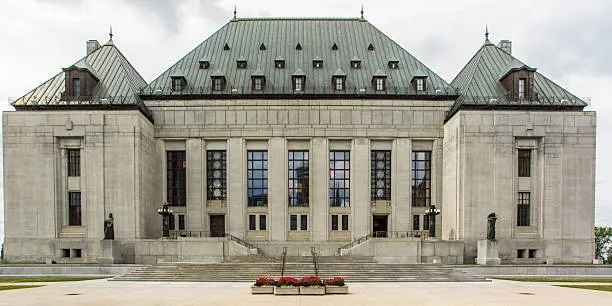
- Contempt and a permanent ban (4 March 2026). Justice Douglas Mah of the Alberta Court of King’s Bench found that William Makis had deliberately breached the interim injunction, ordered him to stop giving advice and remove every medical title from his online profiles, warned that failure could lead to jail, and made the injunction permanent.
- No appeal of the contempt finding (June 2026). Justice Kevin Feth of the Alberta Court of Appeal refused permission to appeal, finding the case had little hope of success and that Makis’ own statements proved he had broken the order on purpose. The CPSA was awarded 3,000 Canadian dollars in costs.
Under the permanent injunction, William Makis may not present himself as licensed to practise in Alberta, may not offer health services to the public, and may not use titles such as “doctor”, “Dr.”, “physician” or “oncologist”, including on social media.
How the regulator framed the case
The CPSA stressed that the case was not about any particular drug. The court agreed: the risk to the public lies in the unauthorized practice of medicine, not in sharing research or information about ivermectin or any other drug. The CPSA also clarified that licensed Alberta physicians can still prescribe medications within their professional scope.
How to check a "health coach" before you trust them
- Check the official register. Every country has a public register of licensed doctors kept by the medical regulator. A past degree or an old job title is not a licence to practise today.
- Watch the labels. “Coach”, “consultant”, “researcher” or “former oncologist” can hide someone who is not allowed to treat patients. If they review your tests and give you a treatment plan, it is medical advice.
- Be wary of waivers. A form saying “this is not medical advice” before a paid consultation about your cancer is a warning sign, not a guarantee.
- Ask for evidence, not testimonials. Real cancer treatments are backed by published clinical trials, not by success stories in a Substack post or a video.
- Never stop your treatment without talking to your own oncologist, and tell them about any supplement or drug you are considering.
- Beware of “they don’t want you to know”. Claims that every doctor, regulator and court is part of a conspiracy are a classic sign of a health scam.
For more examples of medical scams and how to spot them, read Medical scams: how to protect your health and your money and Beware of medical AI courses.
Timeline at a glance
- 2005: medical degree from McGill University.
- 2013: nuclear medicine physician at the Cross Cancer Institute, Edmonton.
- 2016: contract not renewed after misconduct complaints.
- 2018: CPSA disciplinary hearing, costs awarded against him.
- 12 February 2019: practice permit cancelled.
- After 2019: lawsuits rejected, declared a vexatious litigant, online “cancer coaching”.
- 15 August 2025: interim injunction granted by Justice Yamauchi.
- January 2026: Court of Appeal refuses permission to appeal and a stay.
- 4 March 2026: contempt finding and permanent injunction.
- June 2026: Court of Appeal refuses permission to appeal the contempt finding.
Frequently asked questions
Is William Makis a licensed doctor?
No. The CPSA cancelled his practice permit in February 2019, and a permanent court injunction from March 2026 bars him from presenting himself as licensed or using titles such as “doctor” or “Dr.” in Alberta.
What did the court prohibit?
Presenting himself as licensed to practise in Alberta, offering health services to the public, including advice on cancer treatment, and using protected titles such as “doctor”, “Dr.”, “physician” or “oncologist”, including on social media.
Was he banned from talking about specific drugs?
No. The court said the risk to the public was the unauthorized practice of medicine, not sharing information about ivermectin or any other drug.
What did he recommend for cancer?
The antiparasitic drugs ivermectin, fenbendazole and mebendazole. None of them is an approved cancer treatment and there are no published clinical trials showing that they cure cancer.
How can I check if someone is a licensed doctor?
Search their name in the public register of the medical regulator in the country where they practise. If they are not listed as currently licensed, do not follow their treatment advice.
Sources
- CPSA: Statement: William (Viliam) Makis not licensed to practise medicine in Alberta
- Court of King’s Bench of Alberta: College of Physicians and Surgeons of Alberta v Makis, decision of 4 March 2026 (PDF)
- CBC News: Former Alberta doctor again ordered to stop “cancer coaching” as appeal bid rejected (June 2026)
- Canadian Lawyer: Alberta Court of Appeal denies permission to appeal contempt finding against doctor who lost licence (June 2026)
- Yahoo News Canada: Appeal court leaves ban in place
- PolitiFact: Fact-check: claims that 80 Canadian doctors died because of COVID-19 vaccines
- Skeptical Raptor: Court prohibits William Makis from treating cancer patients
About the author
Brîndușa Maria, Senior Software Test Analyst, ISTQB® Certified Tester Advanced Level Test Analyst (CTAL-TA). I write about how to recognize online scams. LinkedIn
Note: this article is based on my research and professional experience. I used artificial intelligence tools for drafting and editing.
📢 Share the knowledge, stay safe! 🔒✨ Use the share buttons below and help others stay safe online. The more we know about online scams, the better protected we are! 🚀💙